Project Skyline
Atmospheric Carbon Extraction

Returning the Sky
to Equilibrium

A civilization-scale initiative to extract CO₂ directly from Earth's atmosphere, converting greenhouse burden into permanent value — at the gigaton scale our planet demands.

The Reality We Face

Earth's Atmosphere
Is Out of Balance

Carbon dioxide concentration in our troposphere has crossed 425 parts per million — a level not seen in over 4 million years. The greenhouse effect trapping heat in Earth's atmosphere is no longer theoretical. It is measured, observed, and accelerating.

Humanity emits roughly 37 billion tons of CO₂ every year. Electric vehicles, renewable energy mandates, and personal carbon awareness — while important — address only a fraction of the problem. We still need our transportation. We still ship products across oceans because the economics demand it. We still fly to distant places.

The hard truth: reducing emissions alone will never be enough. To restore atmospheric equilibrium, we must not only offset daily emissions — we must drive CO₂ concentrations negative. We must actively extract what has already accumulated.

O
C
O
CO₂ — The molecule
changing our world
0+
Atmospheric CO₂ concentration — highest in 4M+ years
0
Gt CO₂ emitted globally per year from fossil fuels
0
°C above pre-industrial — approaching critical thresholds
0
ppm target — pre-industrial CO₂ equilibrium to restore
Global Emission Sources
Energy & Heat
73.2%
73.2%
Agriculture
11.8%
11.8%
Industrial
5.2%
5.2%
Waste
3.2%
3.2%
Introducing Project Skyline

Atmospheric Carbon Extraction
at Civilization Scale

Project Skyline is an initiative to design, build, and deploy industrial-scale atmospheric carbon extraction plants capable of removing millions of tons of CO₂ per year — converting captured carbon into permanent, high-value materials while generating verified removal credits that fund continued operation and global expansion.

This is not an incremental improvement. This is infrastructure for planetary restoration.

01
Stage 01
Capture
Ambient atmospheric air is drawn through engineered contactor arrays that selectively bind CO₂ molecules from the troposphere.
02
Stage 02
Separate
Captured CO₂ is isolated and purified through thermal and chemical separation processes, yielding concentrated carbon and oxygen streams.
03
Stage 03
Convert
Separated carbon is routed through conversion pathways — transformed into permanent solid-state materials, industrial feedstocks, and high-value outputs.
04
Stage 04
Sequester
Carbon is permanently locked into stable forms — removed from the atmospheric cycle for geological timescales. Every ton verified and credited.
Mission Objectives

Gigaton-Scale Ambition

10 Mt / year
Single Plant Capacity
Each Skyline plant is designed to capture and permanently sequester 10 million tons of CO₂ annually — equivalent to removing 2.2 million cars from the road every year.
Per installation
10 Gt / year
Global Network Target
The endgame: a network of thousands of Skyline installations worldwide, collectively removing 10 gigatons of CO₂ per year — enough to bend the atmospheric curve downward.
Network at scale
280 ppm
Atmospheric Restoration
The ultimate objective: restore atmospheric CO₂ to pre-industrial equilibrium of ~280 ppm. Not net-zero — net-negative. Returning the sky to the balance that sustained civilization.
Generational mission
Roadmap

From Research to
Planetary Deployment

Phase 1 — Foundation
Research & Process Design
Core thermodynamic modeling, mass-balance verification, energy pathway analysis, and process engineering. Partnership development with academic and industrial research institutions. Entity formation and initial philanthropic funding.
2026 – 2028
Phase 2 — Demonstration
Pilot Plant Construction
Construction and operation of a demonstration-scale plant validating the full capture-separate-convert-sequester pipeline. Target: 10,000 tons CO₂/year removal with full MRV (Measurement, Reporting, and Verification) integration. Carbon credit pre-sale agreements.
2028 – 2031
Phase 3 — Commercial
First Commercial Plant
Scale-up to a 1 Mt/year commercial installation co-located with dedicated clean energy generation. Full revenue stack activation: carbon removal credits, industrial oxygen, engineered carbon materials, and high-value outputs.
2031 – 2035
Phase 4 — Expansion
Regional Multi-Site Deployment
Replication across optimal geographies — regions with abundant clean energy, industrial co-location opportunities, and favorable carbon market frameworks. Target: 5–10 plants operational, 50+ Mt/year collective capacity.
2035 – 2042
Phase 5 — Global Network
Planetary-Scale Operations
Global network of Skyline installations operating across six continents, supported by standardized plant designs, localized energy integration, and international carbon market infrastructure. The atmospheric curve bends downward.
2042 and beyond
Deployment Geography

Strategic Site Selection

Site selection is driven by three factors: access to abundant clean energy, proximity to industrial co-location partners, and supportive carbon market frameworks.

pilot Site
West Texas, USA
Abundant solar and wind resources in the Permian Basin corridor. Existing industrial infrastructure for energy integration. Favorable state-level carbon capture incentives (45Q tax credits). Proximity to pipeline networks for potential CO₂ transport.
Solar + Wind45Q EligibleIndustrial Hub
pilot Site
Iceland — Hellisheiði Region
Geothermal baseload energy at near-zero carbon intensity. Existing carbon mineralization infrastructure (CarbFix basalt injection). Strong regulatory support for CDR operations. Co-location opportunity with existing DAC facilities.
GeothermalBasalt StorageCDR Hub
commercial Site
Central Kansas, USA
Wind energy corridor with some of the highest capacity factors in North America. Strategic central location for carbon material distribution logistics. Proximity to agricultural and industrial oxygen markets. Low land cost and favorable regulatory environment.
Wind CorridorCentral LogisticsLow Cost
commercial Site
Pilbara Region, Western Australia
Exceptional solar irradiance and vast land availability. Massive iron ore and LNG industrial base providing captive oxygen and carbon offtake. Australian government carbon credit framework (ACCUs). Emerging green hydrogen economy for energy storage.
SolarMining Co-locationACCU Credits
commercial Site
Northern Chile — Atacama Desert
World's highest solar irradiance levels. Growing green hydrogen and lithium processing industries providing industrial co-location. Chile's national carbon neutrality target provides policy support. Seawater access for process cooling.
Solar (Record GHI)Green H₂Policy Support
commercial Site
Saharan North Africa — Morocco / Tunisia
Vast solar and wind resources with proximity to European carbon markets. EU CBAM (Carbon Border Adjustment Mechanism) creating demand for verified removal credits. Strategic location for Mediterranean industrial supply chains.
Solar + WindEU Market AccessCBAM Aligned
Leadership

The Person Behind
the Mission

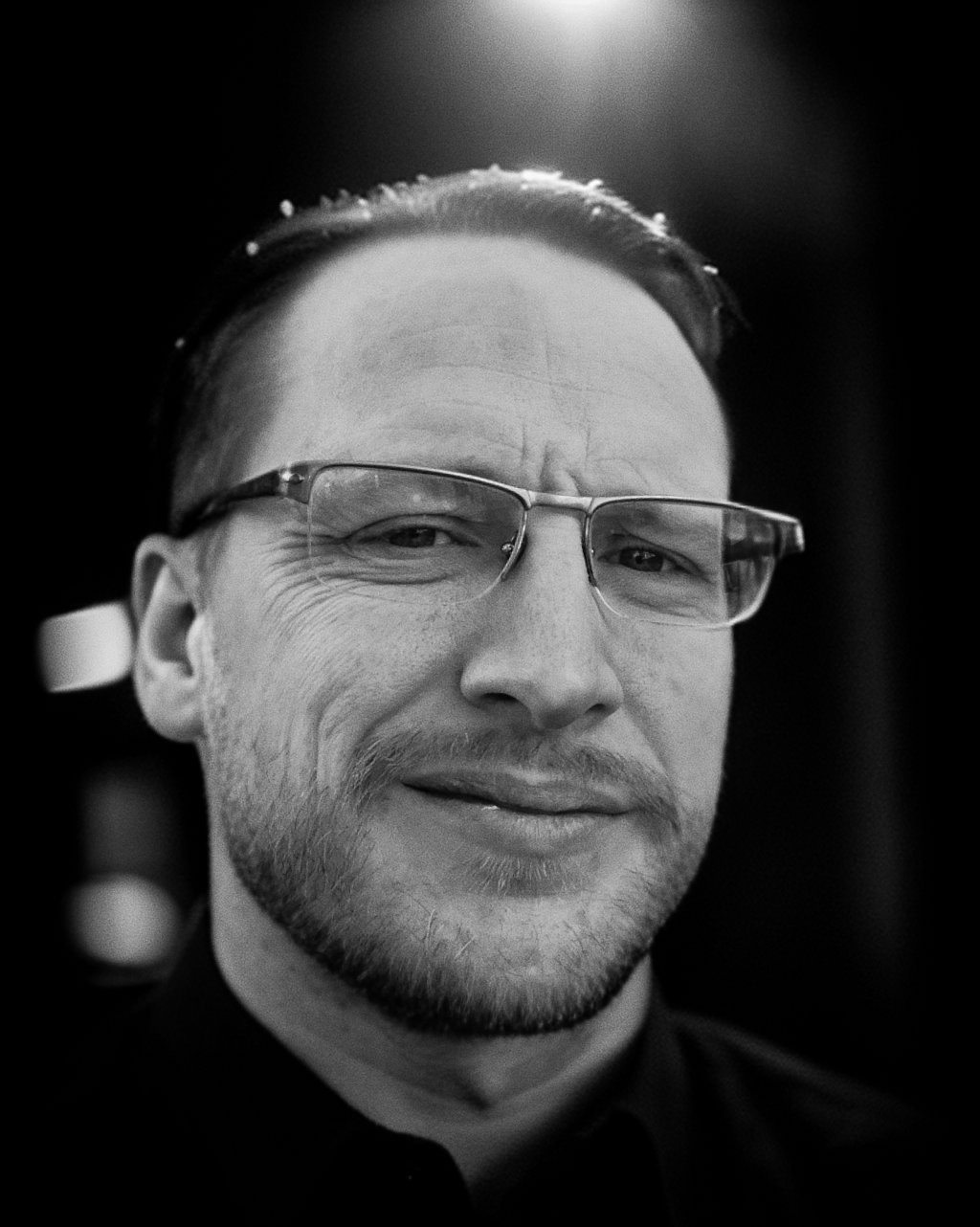
Matthew Mickelson
Matthew Mickelson
Founder — Project Skyline

Matt Mickelson has spent over two decades solving problems in large-scale technology infrastructure — from hyperscale datacenter operations and enterprise systems architecture to GPU computing platforms and distributed AI inference networks.

As the founder of multiple technology ventures, Matt has a track record of identifying complex, systemic problems and engineering solutions that others consider impractical. He builds the things that need building — from bare metal up.

Project Skyline represents the natural evolution of that instinct applied at civilization scale. Where his earlier work addressed the challenges of managing data at scale, Skyline addresses the challenge of managing the atmosphere itself — applying the same engineering rigor, systems thinking, and relentless problem-solving discipline to the most consequential infrastructure project of our generation.

"We still need our transportation. We still fly to exotic places. We still ship products from overseas because the economics demand it. The fact is — we need to not only offset daily emissions but push to net-negative. That's not optional. That's physics."

— Matthew Mickelson

This Is Bigger Than
Any One Organization

Project Skyline is seeking research partners, philanthropic supporters, industrial co-location partners, energy collaborators, and policy advisors. If you share the conviction that atmospheric restoration is not optional, we want to hear from you.